

How Do I Verify a Used Truck’s Real Tow Rating near Appleton, WI?
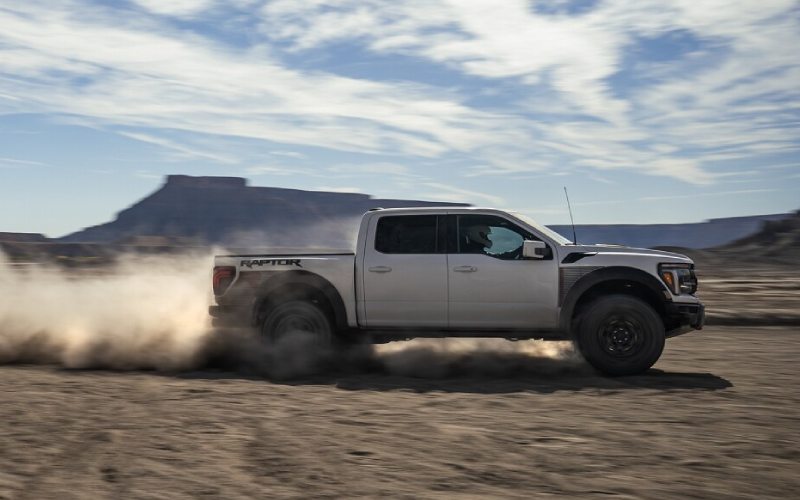
Russ Darrow Direct – How Do I Verify a Used Truck’s Real Tow Rating near Appleton, WI?
Verifying a used truck’s real tow rating matters if you’re planning to pull a camper to High Cliff State Park, launch a fishing boat on Lake Winnebago, or haul a utility trailer around the Fox Valley. At Russ Darrow Direct, we help shoppers near Appleton, WI match the truck they love with the job they need it to do — and that starts with confirming the actual capacities for the exact vehicle in front of you, not just what a badge or online spec sheet suggests.
Tow ratings are specific to engine, axle ratio, drivetrain, bed and cab configuration, cooling equipment, and even options like an integrated trailer brake controller. Two trucks that look identical in the lot can have very different limits. Below, we break down how to check the true rating, what paperwork and labels matter, and how our team can do the heavy lifting for you before you hitch up.
What “tow rating” really means for Fox Valley driving
A truck’s “maximum trailer weight” is only one part of the story. You also need to understand payload (what the truck can carry), tongue weight (the downward force from the trailer on the hitch), and gross combined weight rating (GCWR — the truck and trailer together). Around Appleton, real-world loads vary — from enclosed snowmobile trailers heading up Highway 41 to landscaping equipment running between job sites in Grand Chute — so accuracy is key for safety and confidence.
If you overload payload or exceed GAWR (gross axle weight rating) even while staying under a listed “max tow,” you’re still outside the truck’s limits. Our goal is to help you balance all three numbers so your setup works smoothly on area roads and grades.
Step-by-step: how to confirm a used truck’s true towing capacity
Use this process when you’re standing next to a truck you’re considering. We follow the same steps at Russ Darrow Direct to give you data you can trust.
- Collect your trailer info: Bring the trailer’s GVWR, empty (dry) weight, and a realistic estimate of loaded weight. If you’re towing a camper to High Cliff or Door County, include full water, propane, gear, and food.
- Check the door labels: Read the Certification label for GVWR and GAWR and the Tire and Loading label for the exact payload number for that truck as built. These stickers live on the driver’s door or door jamb.
- Decode the axle ratio: Find the axle code on the door label or axle tag, or use OEM build data. Axle ratio can change tow capacity dramatically.
- Verify OEM tow guides: Use the VIN to pull the manufacturer’s towing guide for that model year and configuration. Online generic specs are not enough — the VIN ties capacity to the exact build.
- Confirm equipment: Look for the factory or equivalent heavy-duty cooling, hitch receiver class, 7-pin wiring, and an integrated trailer brake controller. Missing equipment can limit safe towing even if ratings look high on paper.
- Do the payload math: Subtract estimated tongue weight (generally 10-15 percent of loaded trailer weight for campers, 5-10 percent for most boats) plus passengers, fuel, and cargo from the payload on the door label. You must remain at or below that number.
- Assess modifications: Larger tires, lifts, or aftermarket add-ons can impact handling and effective gearing. Ratings are set by the manufacturer — modifications do not raise rated capacity.
When we complete this process with you, we document the numbers so you can tow with clarity from Appleton to Oshkosh and beyond.
What to inspect on the truck before towing
Ratings are one side of the equation — condition is the other. A thorough walkaround keeps you focused on safe, confident towing from day one.
- Receiver hitch: Confirm the receiver’s class rating and that it matches or exceeds your intended trailer setup; check for rust, cracks, or bent metal.
- Wiring and connectors: Look for a 7-pin RV blade connector for trailer brakes and lights; test operation with a light tester or your trailer.
- Integrated trailer brake controller: Verify the controller powers on and that gain and sensitivity adjustments work correctly.
- Cooling and charging: Inspect radiator, transmission cooler, belts, hoses, and battery health to support sustained towing on Highway 41 climbs and stop-and-go through Appleton.
- Tires and load rating: Confirm tire load index meets the truck’s GAWR; check tread depth and age, and match pressures to the door label when towing.
- Suspension and steering: Examine shocks, leaf springs, bushings, and ball joints for wear that could cause sway or sag under tongue weight.
- Frame and mounting points: Look for corrosion at rear frame rails, leaf spring shackles, and hitch mounting areas — key in Wisconsin where road salt is common.
Our service team can perform this inspection for you, including a Multi-Point Vehicle Inspection and a brake and cooling system check, before you commit.
As you narrow your choices, consider where you’ll tow most often. Boat owners launching on Lake Winnebago often prioritize low-slung ramps and tighter marina lots, where responsive steering, camera-based hitch guidance, and good low-speed torque shine. Camper owners heading to High Cliff State Park or Hartman Creek may weigh tongue weight and payload higher, since camping gear adds up fast.
Understanding ratings: GCWR, GVWR, payload, and tongue weight
Think of GCWR as the ceiling for the truck plus trailer. GVWR is the ceiling for the truck alone. Payload equals everything you add to the truck — people, cargo, accessories, and the trailer’s tongue weight. Because tongue weight counts against payload, many shoppers run out of payload before they hit a published “max tow.” That’s why our door label check and math above are non-negotiable parts of your decision process.
If your math puts you close to limits, we can help you consider trucks with higher payloads — for example, different trim levels, axle ratios, or configurations — without overbuying for what you actually tow around the Fox Cities.
How Russ Darrow Direct helps Appleton-area truck shoppers
We combine local know-how with tools that make tow decisions simple. For any used truck on our lot, we can pull the VIN build data, locate OEM towing guides, decode axle ratios, and verify the exact payload on the door label. If you bring your trailer info, we’ll do the payload and tongue-weight math together so you leave with a clear, written plan.
Need equipment? Our certified technicians can install 7-pin wiring, trailer brake controllers, or replacement tires rated for your load, and we can service brakes, cooling systems, and suspensions so your truck is tow-ready for Appleton, Neenah, and the wider Fox Valley. We’re conveniently located on S Green Bay Rd in Neenah — an easy drive from Appleton — and we’re happy to schedule an inspection and test drive that includes trailer tech demonstrations.
Frequently Asked Questions:
Can I increase a used truck’s tow rating with aftermarket parts?
No. Manufacturer ratings (GVWR, GAWR, GCWR, and maximum trailer weight) are fixed. Upgrades like hitches, airbags, or brake controllers can improve control and comfort within those limits, but they do not raise the official ratings.
Where do I find my truck’s payload number?
Look at the Tire and Loading label on the driver’s door or jamb. It lists “The combined weight of occupants and cargo should never exceed …” followed by a number. That is your exact as-built payload for that specific truck.
How much tongue weight should I plan for?
Most travel trailers target 10-15 percent of loaded trailer weight as tongue weight. Many boat trailers sit closer to 5-10 percent. Use the higher end of the range for planning, especially for campers with front storage or full water tanks.
Does a weight-distributing hitch change my tow rating?
It does not change the rating, but it can help restore front axle weight, improve stability, and keep your setup level when used within manufacturer guidelines. Some trucks list a higher maximum trailer weight “with weight distribution” — that number will appear in the OEM towing guide if applicable.
What if the truck has bigger tires or a lift?
Handling, braking distances, and effective gearing can change. Ratings remain the same, and larger tires may reduce performance on grades or in crosswinds. We recommend a road test and inspection with our team to confirm stability before towing.
Can you help me test the trailer brake controller before I buy?
Yes. We can demonstrate functionality on-site, verify gain adjustment, and confirm the 7-pin connector powers the trailer brakes and lights. If your trailer is available, we can schedule a compatibility check.
If you’re shopping used trucks near Appleton, WI, and want complete confidence before you tow, we’re ready to help. Bring your towing goals, trailer details, and any questions to Russ Darrow Direct, and we’ll verify ratings, inspect equipment, and set you up for safe, smooth towing across the Fox Valley.
Explore our used truck selection online, then visit us at 988 S Green Bay Rd in Neenah. Our team will walk you through tow ratings, payload math, and equipment options — so your next truck is the right truck for weekends at Lake Winnebago, campsites at High Cliff, or everyday hauling around Appleton.
0 comment(s) so far on How Do I Verify a Used Truck’s Real Tow Rating near Appleton, WI?