

How Many Miles Is Too Many When Buying a Used Car in Neenah, WI?
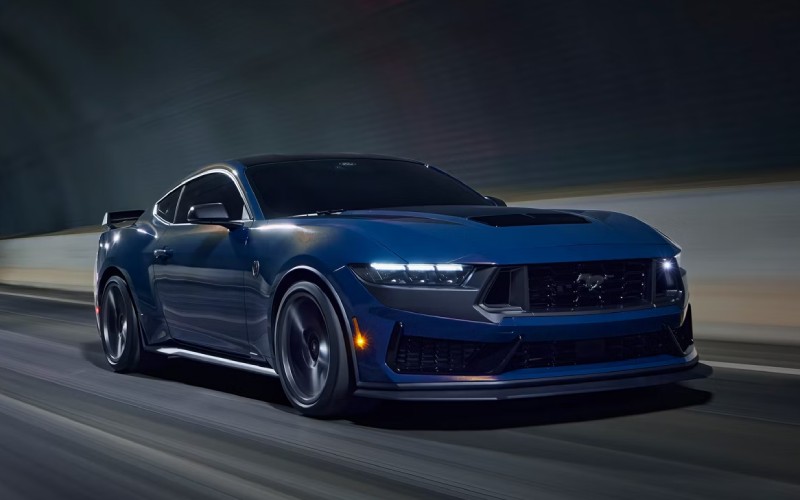
Russ Darrow Direct – How Many Miles Is Too Many When Buying a Used Car in Neenah, WI?
Shopping for a used vehicle often brings up one big question right away: how many miles is too many? For drivers in Neenah, WI, the answer depends on more than the number on the odometer. A well-maintained SUV with higher mileage can be a smarter buy than a low-mileage car that missed regular service. Mileage matters, but condition, maintenance history, driving habits, vehicle type, and how you plan to use the vehicle around the Fox Valley matter just as much.
At Russ Darrow Direct, our used vehicle team helps shoppers compare cars, trucks, SUVs, vans, compacts, electric vehicles, and more with a practical focus on long-term confidence. Local driving in Neenah can include short trips near Downtown Neenah, daily commuting on Green Bay Road, I-41 drives toward Appleton or Oshkosh, school drop-offs, weekend errands near Lake Winnebago, and longer regional travel. Each type of driving affects wear differently, so mileage should be viewed as part of a full picture rather than a simple pass-or-fail number.
If you are searching for a used car in Neenah and wondering whether 60,000, 100,000, or 150,000 miles should make you pause, this guide will help you evaluate mileage the same way an informed shopper would. The goal is not to chase the lowest number possible. The goal is to find a dependable used vehicle that fits your daily routine, comfort needs, budget goals, and ownership plans.
Why Mileage Matters – But Does Not Tell the Whole Story
Mileage gives you a quick snapshot of how much a vehicle has been driven, but it does not reveal how it was driven or cared for. Highway miles can be gentler on an engine and transmission than constant stop-and-go driving. A vehicle used for steady commuting may show less mechanical strain than one used for frequent short trips, heavy towing, or neglected maintenance. That is why two vehicles with the same mileage can feel very different during a test drive.
Neenah drivers often need a vehicle that can handle a blend of city streets, highway commutes, and regular family use. A commuter sedan with higher miles but strong service records may still offer excellent value. A used SUV with moderate miles, good tires, and a clean inspection may be a better fit for a family than a lower-mileage option with uneven wear. A used truck should be evaluated for towing history, suspension condition, brake wear, and drivetrain health in addition to mileage.
General Mileage Ranges Used-Car Shoppers Should Understand
There is no universal mileage cutoff, but these broad ranges can help you frame your search. Keep in mind that modern vehicles can last a long time when maintenance is handled properly.
- Under 50,000 miles: Often appealing for shoppers seeking a newer feel, fewer years of use, and longer remaining ownership potential.
- 50,000 to 100,000 miles: A popular range for used vehicles because many cars, SUVs, and trucks still have strong life left when service history is solid.
- 100,000 to 150,000 miles: Worth considering if maintenance records, condition, and inspection results support the vehicle’s value.
- Over 150,000 miles: Best approached carefully, with extra attention to major components, service documentation, and future repair expectations.
A vehicle with 110,000 miles should not automatically be dismissed. Likewise, a vehicle with 35,000 miles should not be assumed to be perfect. What matters is whether the vehicle has been maintained at the right intervals, inspected carefully, and matched to how you plan to drive in and around Neenah.
Maintenance History Can Be More Important Than Mileage
Service records help show whether a used vehicle received the care needed to stay reliable. Routine oil changes, tire rotations, brake service, battery checks, fluid exchanges, and filter replacements all support long-term vehicle health. Our Neenah service center supports a wide range of maintenance needs after the sale, including oil changes, tires, brakes, batteries, transmission service, alignments, multi-point inspections, and more.
When comparing two used vehicles, look beyond the odometer and ask what kind of care each one received. A vehicle with consistent service may offer more confidence than a lower-mileage option with unknown maintenance. For shoppers who plan to keep a vehicle for several years, this detail can make a major difference.
- Oil change history: Regular oil service helps protect the engine and supports longer vehicle life.
- Tire condition: Even tread wear can point to proper alignment, rotation habits, and suspension health.
- Brake condition: Pads, rotors, calipers, and brake fluid can reveal how much city driving or heavy use a vehicle has seen.
- Battery age: A battery check is useful, especially if the battery is several years old or slow starts are noticeable.
- Fluid maintenance: Transmission fluid, coolant, brake fluid, and power steering fluid can all affect long-term reliability.
What Mileage Means for Different Used Vehicle Types
The right mileage range can vary by body style. A used sedan may be ideal for efficient commuting between Neenah and Appleton. A used SUV may be better for family space, cargo flexibility, and weekend plans. A used truck may need closer review of towing and hauling use. A van or commercial-style vehicle may need an inspection focused on work-related wear.
For used SUVs, pay attention to tire wear, suspension feel, cargo-area condition, brake response, and all-wheel-drive performance if equipped. For used trucks, ask about towing equipment, payload needs, transmission behavior, and frame condition. For used cars, focus on engine smoothness, fuel economy expectations, seat comfort, visibility, and technology features that matter during daily commutes. For electric or hybrid options, ask about battery health, charging needs, and how your daily mileage fits the vehicle’s range or efficiency strengths.
How Neenah Driving Habits Affect Used Vehicle Wear
Local driving patterns make a difference. Short trips around Neenah can be convenient, but repeated short drives may not let an engine fully warm up. Daily highway miles along I-41 may increase the odometer quickly, but steady-speed driving can be easier on many components. Frequent driving between neighborhoods, schools, shopping areas, and workplaces can lead to more brake and tire wear over time.
That is why a test drive should reflect your real routine. If you commute, take time to evaluate seat comfort, acceleration, road noise, visibility, and driver-assistance features. If you carry family or gear, check second-row space, cargo access, child-seat fit, and rear visibility. If you work from a truck or SUV, review storage, towing needs, ground clearance, and cabin durability. A vehicle that feels right during a realistic test drive is often a better choice than one selected by mileage alone.
Questions to Ask Before Buying a Higher-Mileage Used Vehicle
A higher-mileage used vehicle can be a smart choice when you know what to review. Use these questions to guide your conversation and narrow down options with more confidence.
- Service records: Has routine maintenance been completed at recommended intervals?
- Inspection results: Has the vehicle been checked for brakes, tires, fluids, battery health, and major mechanical concerns?
- Ownership plans: How many miles do you expect to drive each year around Neenah and the Fox Valley?
- Repair expectations: Are upcoming maintenance items reasonable for the vehicle’s age and mileage?
- Vehicle use: Does the body style match commuting, family, towing, cargo, or work needs?
- Financing fit: Does the vehicle support your overall budget without stretching future maintenance comfort?
How Financing and Trade-In Support Fit Into the Mileage Decision
Mileage can influence financing considerations, ownership plans, and resale expectations. If you are trading in a current vehicle, applying that value toward a used car, truck, or SUV may help you focus on options that better match your goals. Our finance process is built to support many credit situations, including first-time buyers, credit rebuilding, and shoppers comparing loan options from a network of financial institutions.
Pre-approval can make the shopping process feel more organized because you can compare vehicles with a clearer sense of direction. It also helps you decide whether a lower-mileage vehicle, a well-maintained higher-mileage vehicle, or a specific body style makes the most sense. For shoppers serving Menasha, Appleton, and Oshkosh, our Neenah location offers a convenient place to compare used vehicle choices in person and online.
Frequently Asked Questions:
Is 100,000 miles too many for a used car?
Not always. Many modern vehicles can continue to perform well beyond 100,000 miles when maintenance has been consistent. Review service records, inspection results, vehicle condition, and how the car feels during a test drive before deciding.
Should I buy a low-mileage used vehicle instead?
Low mileage can be appealing, but it should not be the only factor. A low-mileage vehicle still needs a careful review for maintenance history, tire age, battery condition, fluid quality, and signs of long periods without use.
What is more important: mileage or service history?
Both matter, but service history often tells a deeper story. A well-maintained vehicle with moderate or higher mileage may be more dependable than a lower-mileage vehicle with limited maintenance documentation.
How can I tell if a used SUV has too much wear?
Check tires, brakes, suspension feel, steering response, cargo-area wear, seat condition, and all-wheel-drive operation if equipped. A professional inspection can also help identify concerns that may not be obvious during a quick walkaround.
Can a higher-mileage used truck still be a good buy?
Yes, if condition supports it. Pay close attention to towing history, transmission performance, brakes, suspension, frame condition, and maintenance records. Trucks can be built for demanding use, but past care is critical.
Find a Used Vehicle That Fits Your Real Driving Needs
The best used vehicle for Neenah driving is not always the one with the lowest mileage. It is the one with the right mix of condition, maintenance history, features, body style, comfort, and long-term value. Whether you want a fuel-efficient commuter, a family-friendly SUV, a capable truck, or a budget-minded daily driver, comparing options carefully can help you make a confident choice.
Before deciding, take time to review the vehicle history, ask about maintenance, test drive on roads that reflect your routine, and consider future service needs. Mileage is an important clue, but the full story comes from how the vehicle was cared for and how well it fits your life in Neenah and across the Fox Valley.
0 comment(s) so far on How Many Miles Is Too Many When Buying a Used Car in Neenah, WI?