

Practical Ford Explorer Shopping Tips for Families Around Appleton, WI
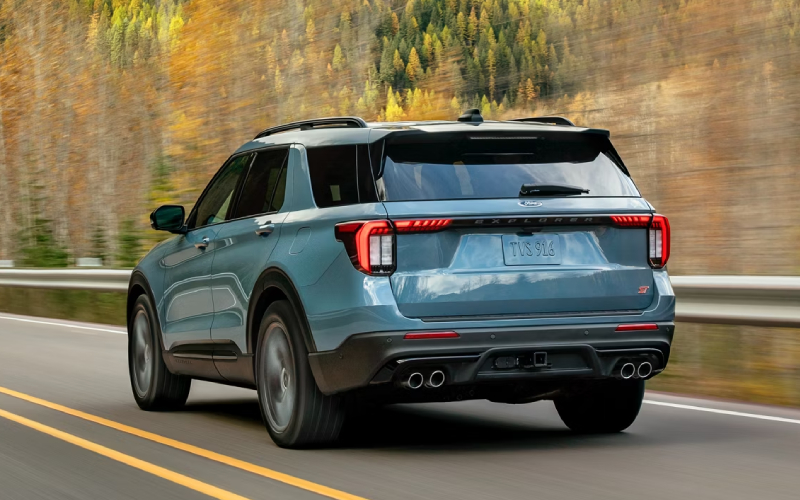
Russ Darrow Direct – Practical Ford Explorer Shopping Tips for Families Around Appleton, WI
The Ford Explorer keeps showing up on family shortlists for good reason. It blends three-row versatility with a driving feel that is relaxed on a Tuesday commute and steady on a Friday road trip. For shoppers comparing options around the Fox Valley, getting the most from a pre-owned Explorer comes down to knowing which features support your day-to-day. This guide walks you through the essentials so you can shop with confidence and focus on what matters for your household.
Start with your real seating and cargo needs. The Explorer commonly offers a second-row bench for seven-passenger capacity or available captain’s chairs for easier third-row access and a more open feel. If everyday life involves car seats or frequent third-row use, captain’s chairs may be worth prioritizing. If you need maximum seat count, look for the bench. Either way, the third row folds flat to convert quickly into a spacious load floor for strollers, sports bags, or home improvement runs.
Why the Explorer Works for Fox Valley Life
From school loops to weekend drives, the Explorer’s independent suspension and calm steering make busy days feel less hectic. Many models include available Intelligent 4WD with a Terrain Management System that adjusts for slippery roads or light off-pavement detours. That flexibility fits a region with a mix of urban neighborhoods, parkways, and backroads. It is also a strong pick if your weekends occasionally involve towing a small boat or utility trailer. Properly equipped models frequently carry tow ratings that comfortably handle light-recreation duties while still feeling composed in traffic.
Inside, families appreciate the balanced approach to tech. Many models include SYNC 3 or SYNC 4 systems, Apple CarPlay and Android Auto, and plenty of USB ports. This keeps navigation, podcasts, and calls simple without overcomplicating the dashboard. Look for available convenience options that make a difference in real life, like a power liftgate for hands-full loading and remote start for quick mornings.
Features Worth Prioritizing in a Used Explorer
Driver-assistance technology is a major Explorer advantage. Many models include Ford Co-Pilot360 features such as a Rear View Camera and Auto High-Beam Headlamps, while available upgrades often add BLIS (Blind Spot Information System) with Cross-Traffic Alert, a Lane-Keeping System, and Intelligent Adaptive Cruise Control on select years. If your commute involves highway stints or dense traffic, adaptive cruise and lane-focused features can take some of the grind out of the drive. Parents may also appreciate Ford MyKey for setting speed and audio limits when a teen borrows the SUV.
For comfort, tri-zone automatic climate control, heated front seats, heated second-row seats on certain models, and a power-adjustable driver’s seat can reduce fatigue on longer loops. If you can, test seats on at least a 15-minute drive — your back and shoulders will tell you whether the support suits you. Do not overlook storage details either. Door pockets, seatback pockets, and a two-level center console keep phones, snacks, and remotes tidy and within reach.
Powertrains and What to Expect
The Explorer’s engine lineup leans on proven EcoBoost® technology. Many models feature a 2.3L EcoBoost® turbocharged I-4 that provides a confident blend of acceleration and efficiency. Some performance-focused variants add a V6 EcoBoost® for more power. If efficiency is a top priority, select model years also offer a hybrid setup that shines in mixed city and suburban driving. Most Explorers pair their engines with smooth-shifting automatic transmissions; many include SelectShift for manual-style control when merging or descending a hill. If you regularly carry people plus gear, prioritize the engine that matches your load rather than chasing the absolute best mpg rating on paper.
All-wheel drive is common and a good fit if you regularly travel on variable surfaces. When test-driving, pay attention to how the SUV pulls away from a stop, how the transmission shifts under moderate acceleration, and whether the steering tracks straight. These quick checks help assess overall health and reveal whether the vehicle feels consistent and composed.
Smart Test-Drive and Inspection Tips
On your test route, include a neighborhood loop with speed bumps, a 45-mph stretch, and a highway on-ramp. Listen for suspension clunks over bumps, feel for any vibration at speed, and confirm the brakes are strong and linear. Check the operation of the power liftgate and fold the third row to ensure the latches function cleanly. Pair your phone to the infotainment system and test Apple CarPlay or Android Auto. Simple exercises like these tell you a lot about both condition and daily usability.
Do a quick walk-around and look for even panel gaps, clear headlamps, and uniform tire wear. Inside, check all seat adjustments, confirm that climate controls blow cold and hot, and ensure all power windows and locks work properly. A clean Carfax or similar history report is valuable, but a road test plus a pre-purchase inspection gives you the best total picture.
Finally, consider how the Explorer will fit your driveway life. Does the stroller fit behind the third row, or do you prefer to drop a seat for extra depth? Are your garage shelves close enough that power-folding mirrors are a practical win? These small realities are where good SUV choices become great ones.
Frequently Asked Questions:
How many people can the Ford Explorer seat?
Most Explorers seat six or seven depending on whether the second row has captain’s chairs or a bench. The third row folds flat to expand cargo space when needed.
Is the 2.3L EcoBoost engine strong enough for family duty?
Yes. The 2.3L EcoBoost® delivers responsive torque for everyday driving and highway merges. If you plan frequent towing or want more punch, consider a V6 EcoBoost® model.
Which safety features should I look for first?
Start with Ford Co-Pilot360 essentials like a Rear View Camera and Auto High-Beam Headlamps, then prioritize BLIS (Blind Spot Information System) and Intelligent Adaptive Cruise Control if you commute on busy highways.
What should I check during my test drive?
Confirm smooth shifts, straight tracking, confident braking, and quiet suspension operation. Test the power liftgate, seat adjustments, climate system, and smartphone integration.
How does Russ Darrow Direct support Explorer shoppers?
We help you prioritize features, compare powertrains, and understand each SUV’s service history. Our goal is a straightforward, confident purchase that fits your daily life.
If you are narrowing your choices among three-row SUVs, the Explorer’s mix of driving confidence, cabin flexibility, and family-focused tech should keep it high on your list. With our team serving Menasha, Appleton, and Oshkosh, we are ready to help you zero in on the right configuration for your routine, whether that means a more efficient setup for cross-town drives or an all-wheel-drive model tailored for weekend getaways. From the first test drive to your final checklist, we will keep the process clear and focused on what matters most to you.
When you are ready, connect with our staff at Russ Darrow Direct to walk through specific models, confirm feature sets, and arrange a drive that mirrors your real-world routes. A little structure up front makes all the difference — and sets you up to enjoy your Explorer from day one.
0 comment(s) so far on Practical Ford Explorer Shopping Tips for Families Around Appleton, WI