

Practical Used Toyota Shopping Tips for Daily Driving around Appleton, WI
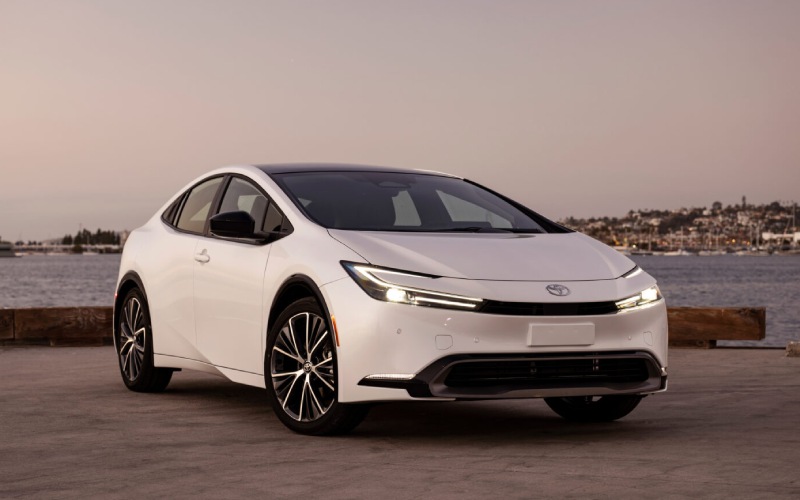
Russ Darrow Direct – Practical Used Toyota Shopping Tips for Daily Driving around Appleton, WI
Used Toyota vehicles have a well-earned reputation for reliability, strong resale value, and practical features that simplify daily life. If your week takes you from neighborhood streets to quick highway hops and weekend errands, a thoughtful plan can help you zero in on the right Toyota—without spending weeks stuck in research mode. This guide breaks down smart steps to evaluate condition, prioritize features, and confirm whether a hybrid, sedan, SUV, or truck matches your routine.
Start With Your Real-World Drive
Before you browse inventory, list how you actually drive. How many miles do you cover each week, and what roads do you use most? Do you carry gear, kids, or both? These answers direct you to the right body style and equipment. If your commute is stop-and-go, a Corolla Hybrid, Prius, or Camry Hybrid can turn wasted idling into fuel savings. If you value extra cargo room for sports gear or DIY supplies, a RAV4 or Highlander with a fold-flat second row may be the better fit.
Model Shortlist by Need
For compact, budget-friendly commuting, consider a Corolla. If you want more space and highway confidence, add Camry. Need versatility with available AWD? RAV4 is a strong all-rounder; Highlander adds third-row flexibility. Adventurers or cottage-goers may prefer 4Runner for trail access and durability. If your weekends involve towing or home projects, Tacoma and Tundra bring the capability to haul and tow when properly equipped.
Feature Priorities That Matter Most
Not all trims are alike. Focus on core systems that change your daily experience: Toyota Safety Sense, smartphone integration, seating comfort, and driver visibility. Confirm the exact safety suite and infotainment features on the VIN you’re considering—equipment can vary widely by year and package. For families, test car-seat access and rear-door openings; for commuters, evaluate seat support and road noise at 60 mph or higher.
Inspection and Test-Drive Checklist
- Maintenance documentation: Look for consistent oil changes, fluid exchanges, and brake service aligned with Toyota guidelines.
- Tires and alignment: Check for even wear and ensure straight, vibration-free tracking on a smooth road.
- Brakes and steering feel: Confirm firm pedal engagement and direct steering without excessive play.
- Electronics and ADAS: Test cameras, sensors, adaptive cruise, and lane alerts during the drive.
- Cabin practicality: Fold seats, load bulky items, and verify cargo height and depth meet your needs.
- Hybrid system health: For hybrids, ask for scan data or inspection notes specific to the hybrid battery and cooling system.
Bring a short route that represents your daily use: a few city blocks to check throttle response and low-speed smoothness, a highway on-ramp for acceleration and merging confidence, and a mildly rough surface to listen for suspension clunks or rattles. This real-world approach reveals far more than a quick loop around the block.
Financing and Total Cost Perspective
Focus on the whole ownership picture. A slightly newer RAV4 with Toyota Safety Sense may lower insurance costs and add value over time. Hybrids can cut fuel expenses dramatically if you drive mostly in town. Budget a small reserve for immediate maintenance—fresh wiper blades, cabin and engine air filters, and, if needed, a wheel alignment to start on the right foot.
Service Support After You Buy
Buying a dependable Toyota is step one; keeping it that way is step two. Prioritize shops that can handle routine maintenance and larger repairs, plus provide parts guidance when you want to DIY small items. Consistent care helps retain value and maximizes long-term reliability.
Frequently Asked Questions:
Which Toyota models make the best daily commuters?
Corolla, Camry, and Prius top the list for efficiency, comfort, and predictable maintenance. If you want crossover utility without sacrificing fuel economy, add RAV4 to your shortlist.
How do I choose between FWD, AWD, and 4WD?
Choose FWD for simplicity and efficiency, AWD for added traction on slick pavement, and 4WD (in models like 4Runner or some Tacomas) for off-pavement confidence and towing needs.
What’s the advantage of Toyota Safety Sense?
It bundles driver assists like pre-collision alerts, lane departure warnings, and adaptive cruise, helping reduce fatigue and enhancing everyday confidence on busy roads.
Are Toyota hybrids expensive to maintain?
Routine maintenance is similar to non-hybrids, and Toyota’s hybrid systems are known for longevity. Prioritize vehicles with documented service and consider a pre-purchase hybrid system check.
How should I evaluate towing capacity for an SUV or truck?
Match your trailer’s loaded weight to the model’s specific rating, engine, and towing equipment. Confirm hitch class, cooling, and brake controller readiness before towing.
When you are ready to act, align the right model to your route, verify the features you care about, and confirm the vehicle’s condition with a purposeful test drive. Russ Darrow Direct offers tools and guidance that help streamline each step so you can move forward confidently, with clarity on features, budget, and long-term care. Our team is serving Appleton, Oshkosh, and Little Chute with straightforward support that respects your time and priorities—so you can spend more energy enjoying the drive and less time worrying about the process.
0 comment(s) so far on Practical Used Toyota Shopping Tips for Daily Driving around Appleton, WI