

What to Know About A Used Jeep Wrangler
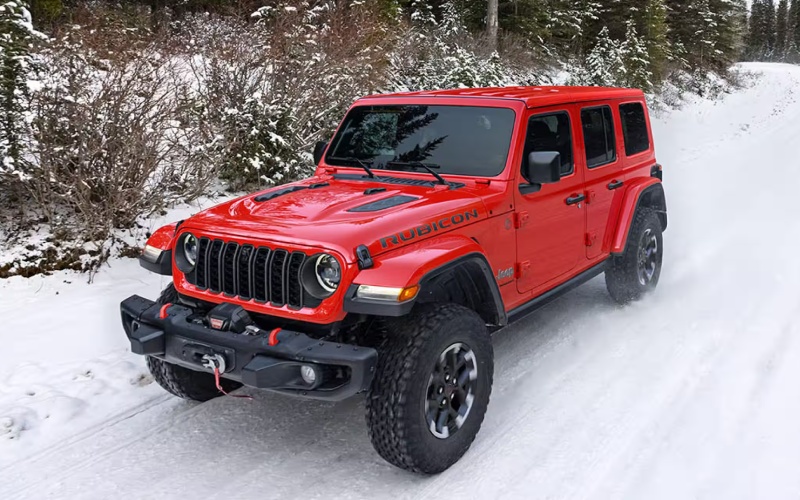
Russ Darrow Direct – What to Know About A Used Jeep Wrangler
If you’re considering a used Jeep Wrangler, you’re shopping for more than transportation. You’re looking at a vehicle with a loyal following, a proven off-road pedigree, and a design that invites customization. This guide covers what matters most when evaluating a used Wrangler, from generations and trims to smart inspection tips and ownership insights, so you can choose with confidence.
Below, you’ll find a straightforward breakdown of features, model differences, and how to evaluate condition and value. We also included a quick comparison framework and an FAQ to anticipate the layered questions that come up while you research, test-drive, and finalize your choice.
Why a Used Wrangler Stands Out
The Jeep Wrangler is an icon for a reason. Its body-on-frame construction, solid axles, and open-air design give it a unique blend of durability and personality. Whether you’re drawn to the two-door’s agility or the four-door Unlimited’s practicality, the used market offers a wide range of trims—Sport, Sport S, Sahara, Rubicon—each with a distinct balance of comfort and capability.
Wranglers also hold value well compared to many other SUVs. The combination of durable engineering, enduring demand, and an enormous aftermarket helps used shoppers find strong options that still feel fresh years later. That’s good news if you want a vehicle that’s fun to own now and compelling to sell or trade down the road.
Generations, Engines, and Features to Know
Two recent generations make up the bulk of today’s used Wrangler inventory. The JK generation (2007 to 2018 model year) brought meaningful improvements over previous models, with a more comfortable interior and the well-regarded 3.6L Pentastar V6 in later years. The JL generation (2018 to present) refined the formula with better on-road manners, reduced wind noise, upgraded interiors, and more safety and infotainment tech.
Engine choices you’ll typically see include the 3.6L V6 for all-around reliability and familiarity, a responsive 2.0L turbocharged four-cylinder with strong low-end torque, and in some cases a 3.0L turbo diesel focused on torque and efficiency. Manual transmissions exist—especially in enthusiast-focused trims—while automatics are more common and often preferred for daily driving and technical off-roading. Top configurations vary, from soft tops to modular hardtops and power-retractable options; each has trade-offs in weather sealing, sound, and convenience.
What to Inspect on a Test Drive
A thoughtful walkaround and test drive can tell you nearly everything you need to know. Use this checklist to focus on the areas that most influence long-term satisfaction and cost of ownership.
- Frame and underbody: Look for rust, scrapes, or bends—particularly near control arm mounts, crossmembers, and skid plates.
- 4×4 system: Engage 4H and 4L on an appropriate surface to confirm smooth shifts and quiet operation from the transfer case.
- Suspension and steering: Check for wandering, clunks over bumps, or vibration—signs of worn joints, bushings, or balance issues.
- Roof and seals: Inspect soft-top stitching and hardtop seals for gaps, water marks, or wind noise points.
- Modifications: Evaluate lift kits, track bars, driveshafts, and gear changes; quality parts and professional installation are key.
- Driveline and axles: Listen for whining or grinding; verify axle lockers and sway bar disconnects function on Rubicon trims.
- Brakes and tires: Look for even tire wear and consistent braking without pulsation—uneven wear can hint at alignment issues.
- Electronics and infotainment: Test Uconnect responsiveness, Bluetooth pairing, camera clarity, and any driver-assist features.
- HVAC performance: Confirm strong A/C and heat—HVAC performance matters more in open-air vehicles.
- History and documentation: Ask for maintenance records, accessory receipts, and proof of routine fluid services.
Ownership Experience and Maintenance
Wranglers reward consistent maintenance. Regular oil changes, tire rotations, and alignment checks help preserve ride quality and reduce uneven wear—especially on lifted or oversized-tire setups. Don’t overlook differential and transfer case fluid services at the recommended intervals; off-road use can accelerate the need for fresh fluids. Brakes and steering components also benefit from periodic inspections given the vehicle’s solid-axle design and potential for accessory weight.
Soft-top owners should keep zippers clean and lubricated, store windows carefully to avoid creasing, and inspect seals after any roof changes. Hardtop panels benefit from gentle handling and proper storage. Simple habits—like rinsing the underbody after trail drives and keeping interior drain plugs clean—pay off in the long run.
Daily Driving Versus Off-Road Focus
Modern Wranglers are more refined than ever, but they still feel like capable trucks at heart. Expect a commanding driving position, straightforward controls, and a firmer ride than car-based SUVs. JL models in particular made daily commuting quieter and more settled. If family duty is part of your plan, the four-door Unlimited provides easier rear-seat access and more cargo flexibility without sacrificing trail cred.
For off-roading, Rubicon trims deliver the most hardware—lockers, low-range gearing, and robust tires—yet many shoppers do well with a Sport S or Sahara plus a few targeted upgrades. The key is matching the build to your use: light trails and beach drives need less than rock-crawling adventures. Whatever you choose, condition and maintenance history matter as much as a badge on the fender.
Financing, Trade-In, and Support You Can Use
At Russ Darrow Direct, we make it straightforward to find a Wrangler that fits your needs and to structure a plan that fits your life. Our team can help you compare multiple vehicles, review their histories, explore financing paths for a variety of credit situations, and understand the total picture—purchase, accessories, and long-term care—before you decide. You can also appraise your trade and see how it impacts your plan, all in one visit.
Beyond the sale, our service and parts professionals are ready to support your Wrangler ownership with routine care, tires, batteries, and the off-road accessories you might want later. You’ll find us serving Menasha, Appleton, and Oshkosh with a customer-first approach and clear guidance at each step.
How to Compare Two Wranglers Quickly
When you’ve narrowed it down to two or three candidates, use a side-by-side checklist to get decisive. Focus on real-world differences you’ll notice daily and the items that could affect future costs.
- Define your primary use: Daily commuting, weekend trails, or a mix—this aligns trims and tire choices.
- Confirm drivetrains and gears: Check axle ratios and whether lockers are present—especially important with larger tires.
- Review modifications: Note lift height, brand quality, alignment settings, and proof of professional installation.
- Stack maintenance histories: Fewer gaps and more documented fluid services often indicate a better long-term bet.
- Evaluate top and doors: Soft vs hardtop, half-doors vs full—your climate and noise tolerance will guide the pick.
- Test-drive on varied roads: Include city streets, a short highway stint, and a rough surface to surface any rattles.
- Consider total ownership: Tires, accessories, insurance, and service access round out the real cost picture.
Frequently Asked Questions:
Which Wrangler trim is best for mixed daily driving and occasional trails?
Sahara typically balances comfort and capability well, with road-friendly features and available four-wheel-drive tech. A Sport S with quality all-terrain tires is a smart budget-friendly alternative. If you plan frequent difficult trails, a Rubicon’s lockers and gearing add meaningful confidence.
Is higher mileage a dealbreaker on a used Wrangler?
Not necessarily. Prioritize condition and maintenance over the odometer alone. A well-kept Wrangler with documented services, tight steering, and clean underbody can outperform a lower-mile example with deferred care.
Manual or automatic—what should I choose?
Choose the transmission that best fits your driving. Manuals offer engagement and control off-road, while modern automatics are excellent for daily traffic and technical terrain. Automatics are also more common in recent models and trims.
Are lifted Wranglers risky to buy used?
Quality and alignment are everything. Look for reputable components, proper bump stop spacing, track bar geometry correction, and receipts for installation and post-install alignment. Ask whether axle gearing was updated to match larger tires.
What roof setup should I choose?
Soft tops provide quick open-air fun and lighter weight, but require more care. Hardtops reduce noise and improve insulation. Modular and power-retractable options split the difference on convenience—match the top to how often you plan to go open-air.
Can a Wrangler tow?
Yes, within modest limits that vary by generation, configuration, and equipment. Always consult the owner’s manual for your exact model and ensure you have the proper hitch, wiring, and brake setup for your trailer.
What’s the biggest mistake shoppers make with used Wranglers?
Falling for looks over substance. A clean lift and shiny accessories can hide skipped maintenance. Test everything, verify records, and judge the vehicle by how it drives, sounds, and shifts—on multiple road types.
A used Jeep Wrangler can be an excellent fit when you align the right generation, trim, and setup with your lifestyle. Approach your search with a clear checklist, evaluate condition with care, and think about the ownership support you’ll want after purchase. When you’re ready, our team is here to help you compare options, take confident test drives, and bring home the Wrangler that feels right from day one.
0 comment(s) so far on What to Know About A Used Jeep Wrangler